

Platinum vs White Gold vs Palladium for Engagement Rings
Platinum, white gold and palladium can all suit an engagement ring, but they feel and age differently. Choose the complete ring rather than the metal name alone. Alloy, dimensions, setting construction and the availability of future repairs all affect the result.
White gold: ask about the alloy and finish
White gold combines gold with other metals. Its underlying color depends on the alloy, and many white gold rings have a rhodium finish for a bright white appearance. That surface can wear with use, exposing a different tone beneath it.
Ask whether the ring is plated and what upkeep is appropriate. There is no universal replating interval for every wearer. A change in finish is also different from structural wear to a prong or band, which calls for its own assessment.

Platinum: weight and surface character
Platinum typically feels heavier than a comparable gold or palladium design. Its naturally white appearance does not require the same color maintenance as a rhodium plated white gold ring. Surface marks can develop into the softer finish often called patina.
Platinum is not immune to wear or damage. Have the setting inspected when needed, and discuss refinishing before authorizing it. Polishing should not be treated as a way to remove every mark indefinitely without affecting the piece.
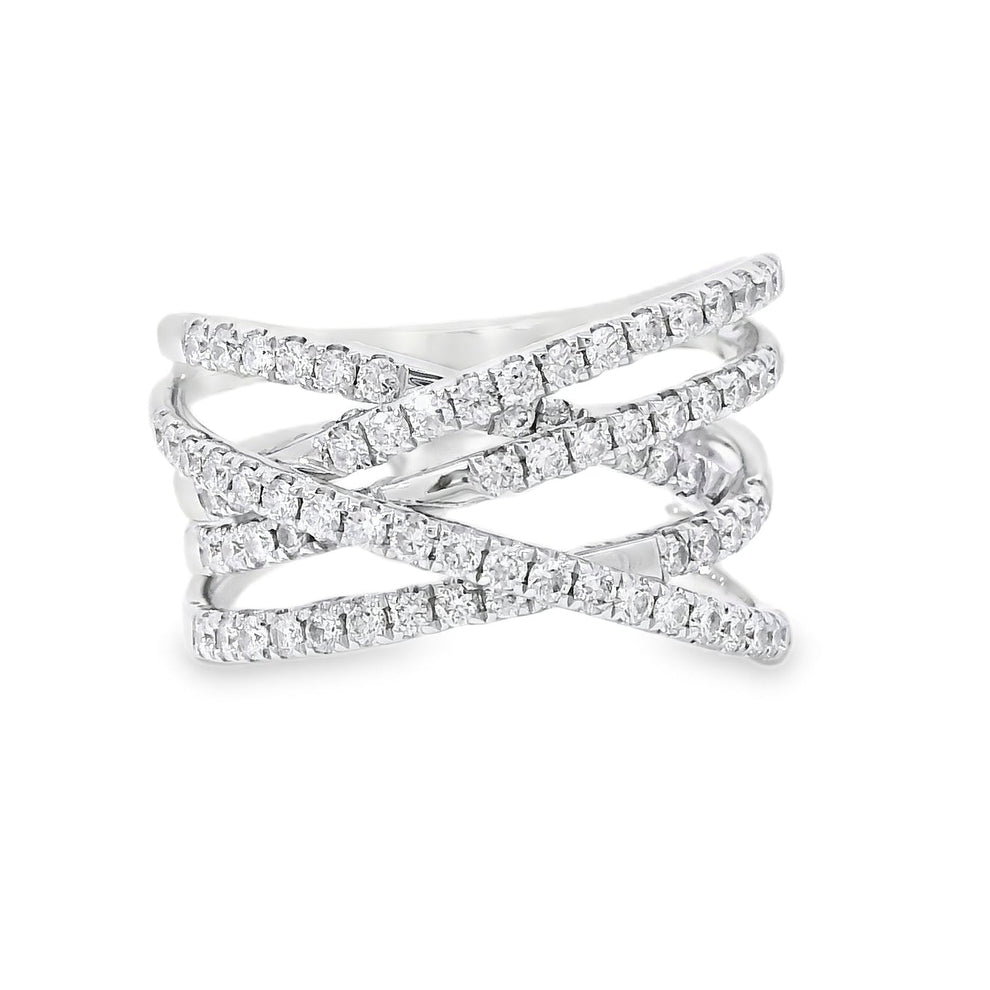
Palladium: consider future service
Palladium is another naturally white jewelry metal and generally feels lighter than platinum in a similar design. Before choosing it, ask who can size and repair the ring and whether the proposed setting is available in that alloy. Local service options may influence your decision.
GIA’s guide to white jewelry metals provides background on the choices. The jeweler should still identify the composition of the actual ring, not simply call it “white metal.”
Compare practical costs
Request quotes for the same design, stone specifications and finger size. Metal weight, labor and construction can matter as much as the quoted market price of the raw metal. Avoid assuming one option is always cheapest.
If you have a known sensitivity to a metal, ask about every alloy component and seek appropriate personal advice. A broad “hypoallergenic” label is less useful than knowing what a particular ring contains.

Ask our showroom about engagement ring metals. Try the weight and fit, confirm the purity marking and discuss maintenance before choosing a ring for years of wear.