

Buying a Preowned Watch: Value and Ownership Costs
A preowned watch can offer access to a design you love or a model no longer in production. That does not make every purchase an investment. Prices can rise or fall, and selling costs can reduce what you recover even when asking prices appear strong.
Evaluate the individual watch
Reference, dial, case material, bracelet and condition matter more than a broad claim about a brand. Ask about replacement parts, alterations, polishing and service history. A lower price may reflect work the next owner will need to arrange.
Budget for ownership
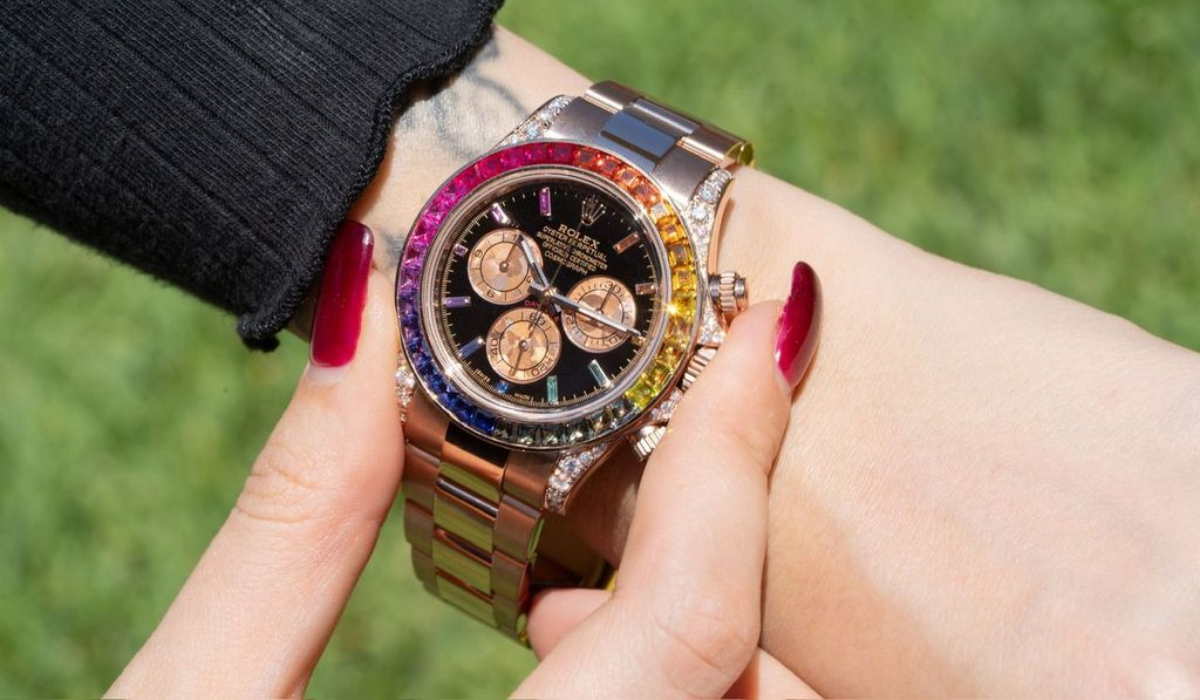
Consider servicing, bracelet or strap replacement, insurance if you want it, and any immediate repairs identified before purchase. A complicated movement can bring different service requirements from a simpler one. Ask who would carry out the work and what an estimate includes.
Get any seller warranty in writing. Check its duration, exclusions and return procedure rather than assuming all preowned watches come with the same coverage.
Use market comparisons carefully
A listing price is a seller's request, not a completed sale. Compare watches with matching references and similar configurations, condition and accessories. A retail listing and a dealer purchase offer serve different purposes and should not be treated as interchangeable.
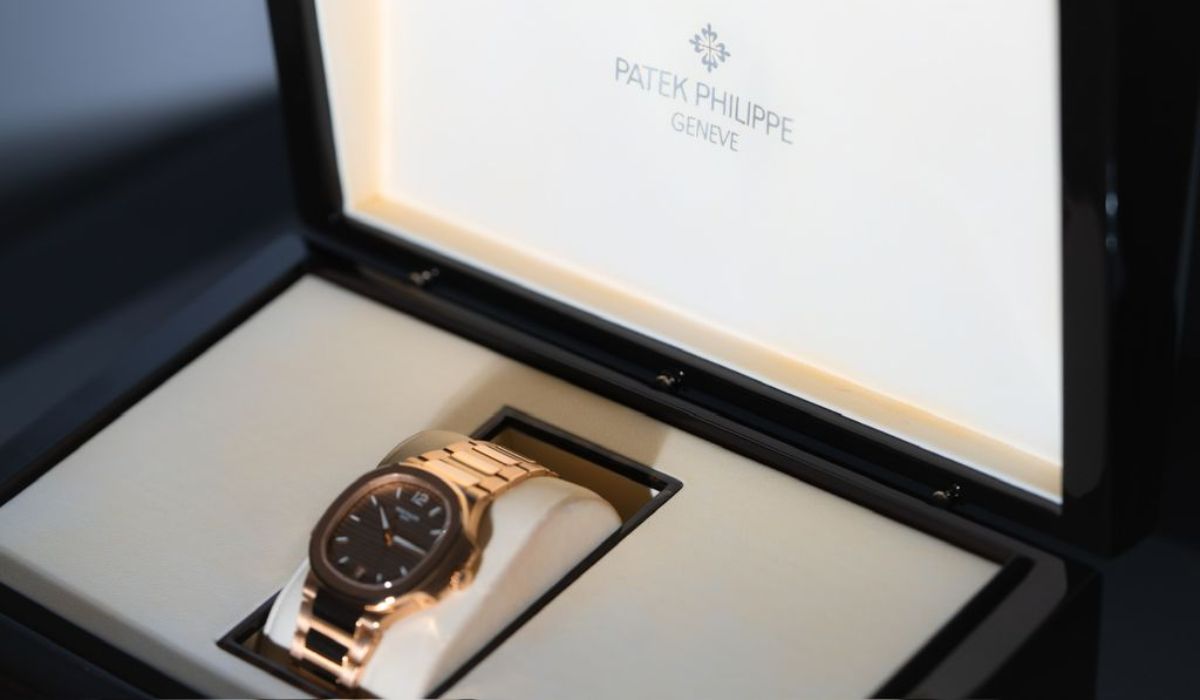
Boxes and papers can support a watch's history, but they are not a substitute for inspecting and authenticating the watch itself.
Buy a watch you want to wear
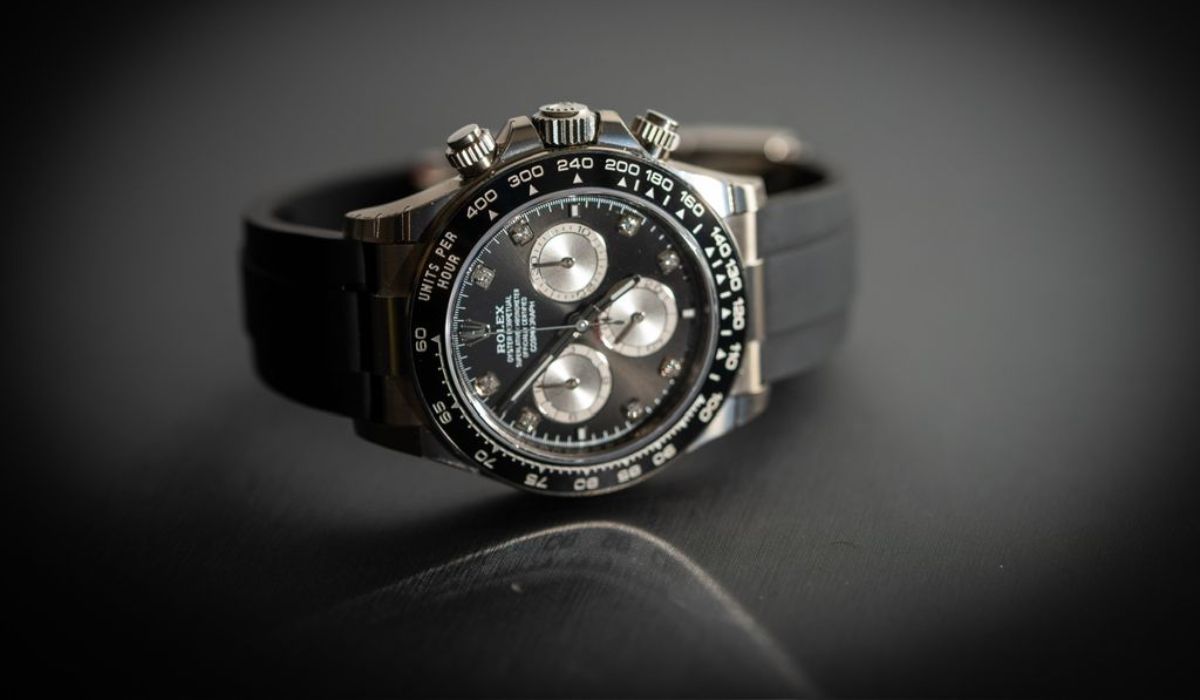
Try it on, check the clasp and make sure the functions suit your routine. Decide whether you would still enjoy owning it if its resale value fell. Speak with our team about a particular watch for current availability, condition and purchase terms. No brand name alone guarantees a profitable resale.