

Vintage Engagement Rings: Age, Condition and Value
A vintage engagement ring may appeal because of its proportions, craftsmanship or connection to another time. Before choosing one, separate what is documented about its age from what its style suggests. A newly made ring can reproduce an older design, and an older ring may contain later replacement parts.
Ask What Supports the Description
Look for receipts, maker information and any documented history. A particular prong count or decorative motif does not establish a production date by itself. Ask which details are confirmed and which are an informed estimate. Estate describes previous ownership; it does not necessarily mean antique.
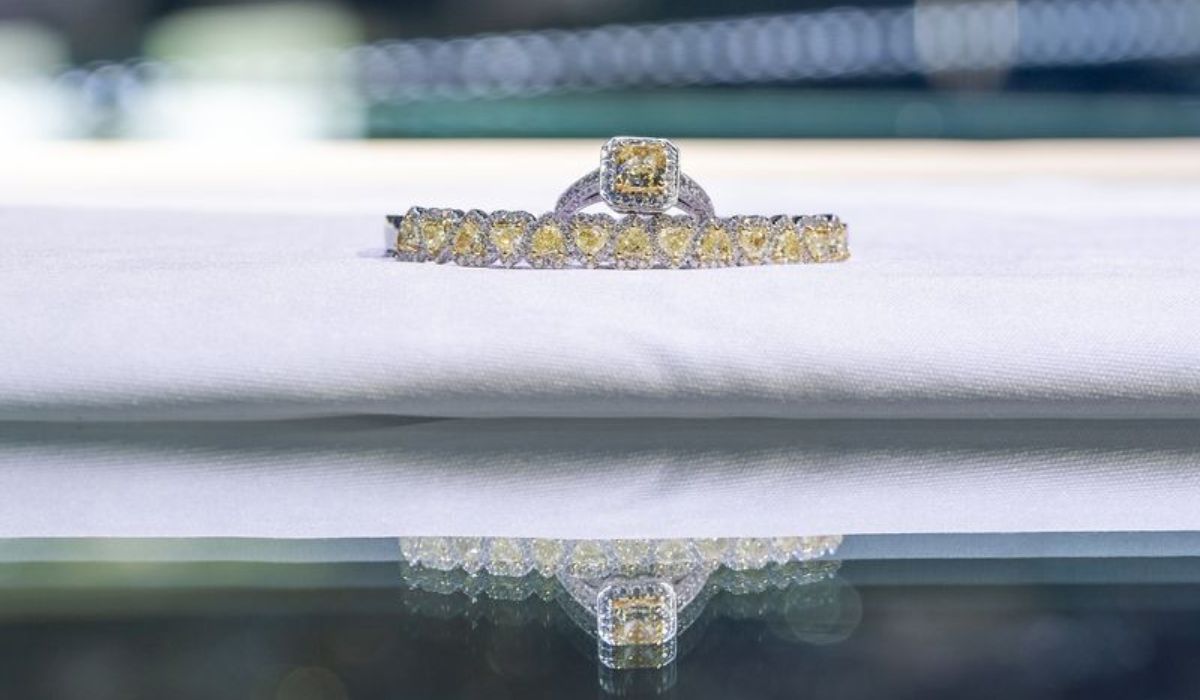
Inspect the Complete Ring
Examine the shank, prongs, settings and stones. Previous sizing, worn engraving, repairs and replaced stones can affect both appearance and value. Ask a jeweler whether the ring is ready for regular wear or needs work first, and obtain the proposed cost.
For a center diamond, distinguish an existing laboratory report from an estimate made while the stone is mounted. The original cut style and the condition of the stone deserve separate attention.
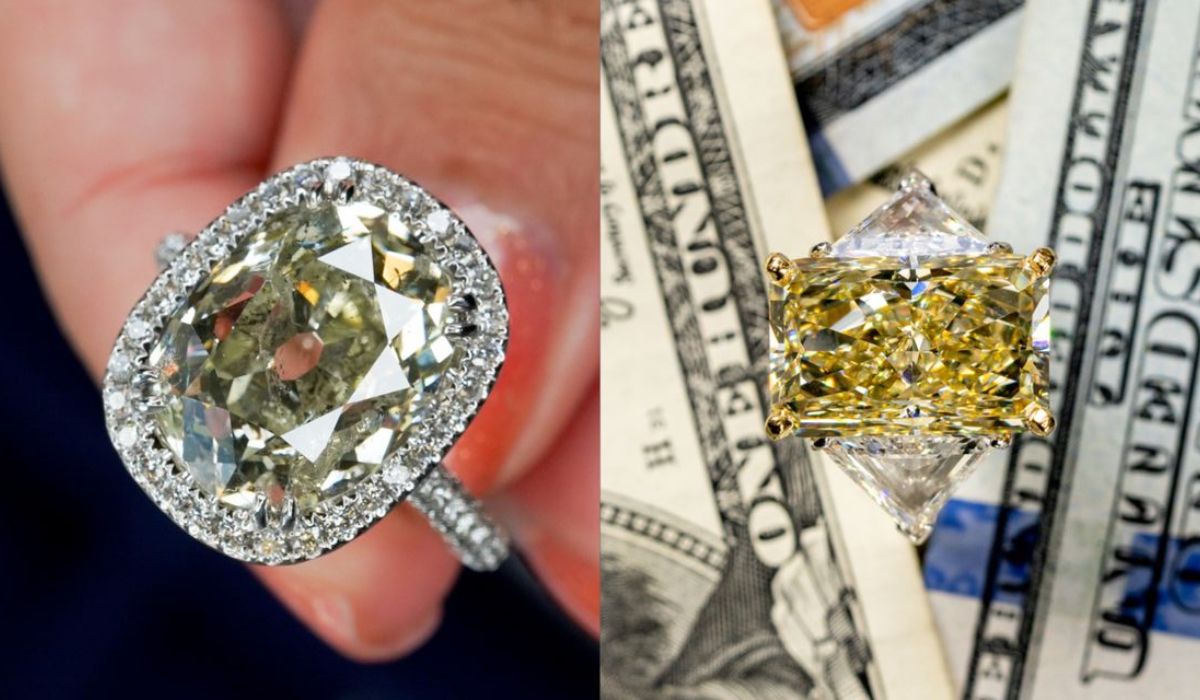
Consider Fit and Future Care
Some designs allow straightforward sizing; continuous patterns and stones around the band may make it more complicated. Discuss the required size before purchasing. Check how the ring sits beside a wedding band and whether its height suits your routine.
Ask for care instructions based on the actual stones and construction. Do not assume an older ring will tolerate the same cleaning method as a modern plain diamond solitaire.
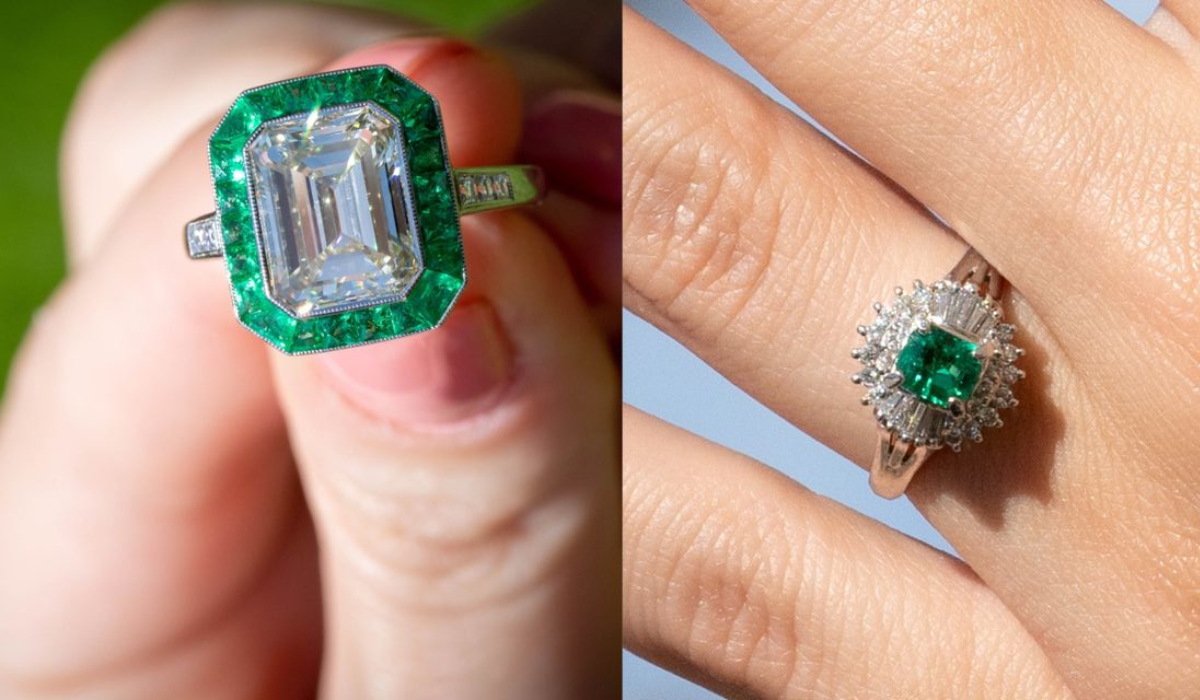
Compare Value With Care
Age alone does not guarantee rarity, resale demand or appreciation. Compare craftsmanship, condition, stones and documented maker information, including any necessary repairs. Speak with our team about evaluating a vintage ring or finding a piece that suits your style and daily life.